Memories of a Green Girl
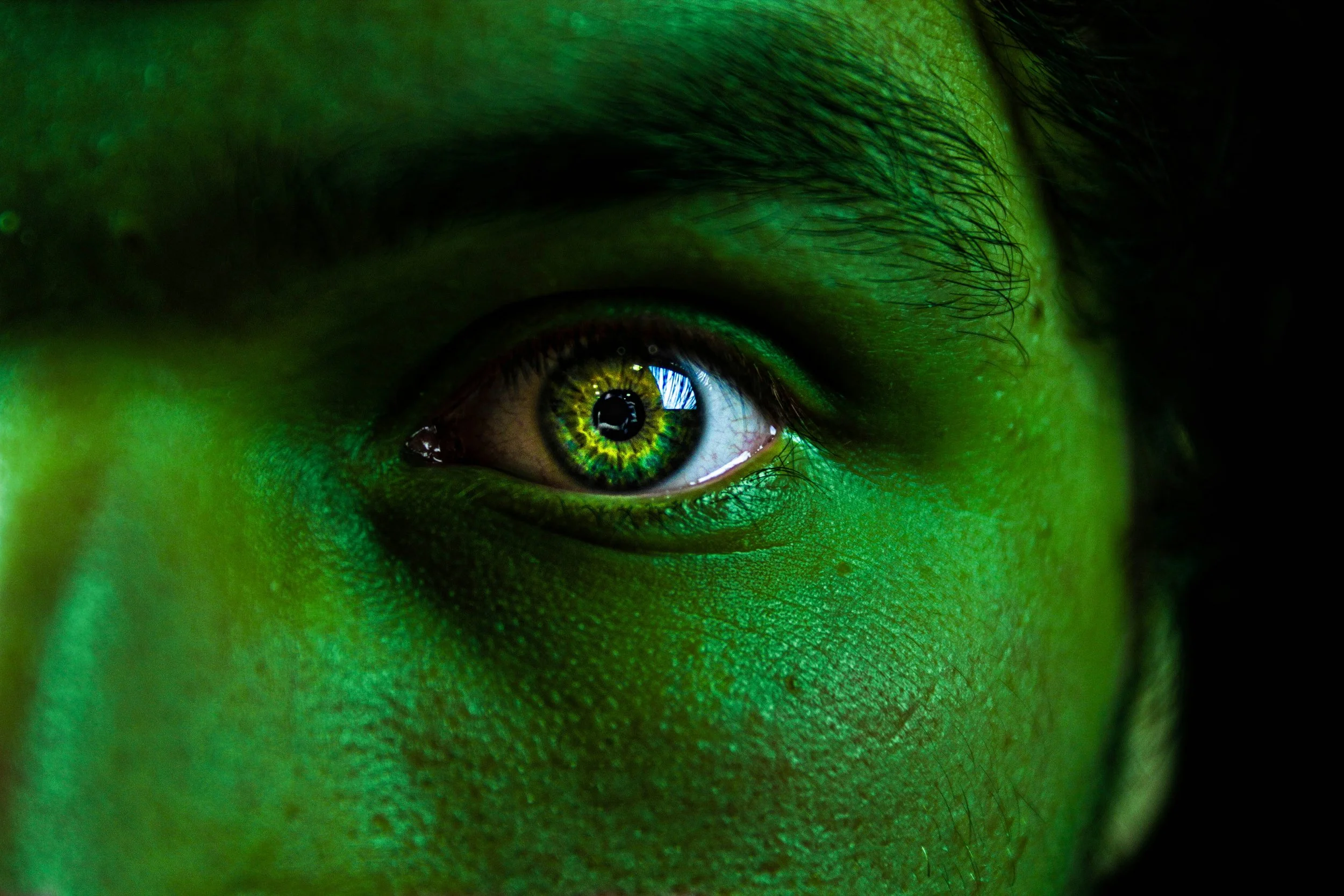
When Wicked the musical hit my high school, I hated it.
The theater girls went around belting the lyrics to “What Is This Feeling” and “Popular.” My brother and sister hijacked whole car rides blasting the soundtrack on repeat. But I found Wicked’s vibe overly glossy, its dissonance off-putting. I was determined to prefer the book, a dark, dense fantasy that most people hadn’t finished.
Then, somehow—was it mere exposure?—I started slipping the CD into my discman when no one was around. The major-key naivete of “The Wizard and I” had rubbed me the wrong way, but there was something poignant about the scrappy green girl secretly dreaming of being degreenified, something tragic about her fantasies of acclaim as she set off down the road to infamy.
In “I’m Not That Girl, as the lullaby-sweet “we long to steal the land of what might have been” gave way to the discordant “reality sets back in,” I mourned the boy who agreed to date me but really had a crush on my blonde-haired, blue-eyed friend, the same guy who introduced me to his relatives only to report they’d mocked him for being with an brown girl.
In “No Good Deed,” which angrily reflects on how efforts to be good often end badly, I heard my own rage, a middle child always trying and failing to make peace between feuding siblings and parents, a neurodivergent teenager who couldn’t keep up with her all-honors classmates.
But “As Long As You’re Mine” was pure pleasure to play on the baby grand in our living room, its syncopated, lower-octave pulse flipping the bombastic warning of the opening “No One Mourns the Wicked” into a sensual transgression, a la Taylor Swift’s “I Did Something Bad.”
And “Defying Gravity” was sheer exhilaration. Stretching my hand span to more than an octave, navigating changing key signatures, leaping from one complex chord to another, I discovered a new level of power and dexterity that I brought to Bach and Mendelssohn in my senior piano recital. “Unlimited,” my best friend and I sang as my long-suffering father drove us to visit colleges. “Our future is unlimited!”
Poet and meditator Norman Fischer teaches that while we think we’re unique, our feelings aren’t just similar to other people’s; they’re the same. When we feel ostracized or enraged, joyous or affectionate, he suggests, we momentarily become one with everyone who has had that feeling—which is to say, every human who has ever lived.
I didn’t know it back then, but I listened to Wicked because it connected me with the great ocean in which one is fellows with all humanity, in which pain isn’t just suffering, but a raw form of power and understanding. It gave me a way to make peace with my adolescence, to look back on it with compassion and even nostalgia, to honor my losses, and to celebrate my survival.
And with the second film now in theaters, I’m sharing that celebration with friends, fellow fans, and roughly a metric ton of popcorn. Sure, the movie can’t match my nostalgia for the musical, and the finale will never be as good as the book’s (sorry not sorry). But whatever way the story ends, let all Oz be agreed—I’m Wicked through and through.